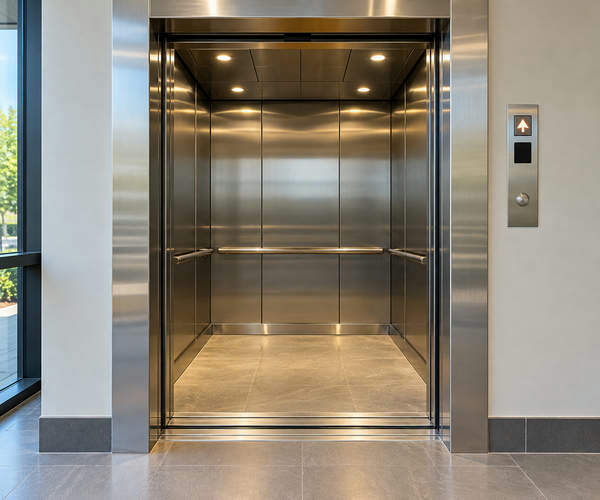
In the world of commercial real estate, an operational elevator is a daily expectation. Despite being a common feature, elevators hold significant insights into a building’s overall integrity. Understanding these signals is crucial for property owners and facility managers, making it essential to consider what elevators reveal about a building’s health and safety.
Structural Insights from Elevator Operation
The performance of a commercial elevator can provide valuable indicators regarding the structural health of a building. An elevator that frequently malfunctions or experiences erratic movements may suggest underlying issues, such as foundation shifts or structural imbalances. These symptoms warrant further evaluation by structural engineers to ensure safety and compliance with building codes.
Industry standards, such as those from the American Society of Mechanical Engineers (ASME), guide elevator inspections and maintenance. Regular assessments as per these standards help in identifying wear and tear that could affect structural components. Facility managers should prioritize compliance to avoid potential operational disruptions and ensure passenger safety.
Electrical Systems and Their Role
The electrical system of an elevator is a critical component that reflects the building’s electrical integrity. Frequent power surges or outages affecting elevator function may indicate broader electrical issues within the building. Inspectors often note these occurrences and recommend evaluations of the building’s electrical infrastructure by qualified electricians.
- Regular maintenance checks should be scheduled to ensure all electrical components meet safety regulations.
- Updating electrical systems can prevent elevator downtime and enhance energy efficiency.
Practical Measures for Facility Management
Facility managers can take proactive measures to maintain elevator functionality and, by extension, the building’s integrity. Establishing a routine maintenance schedule with certified professionals ensures that all mechanical and electrical systems are in optimal condition. Additionally, addressing minor issues promptly can prevent more significant problems that may compromise building safety.
Regularly reviewing inspection reports and staying informed about industry advancements can also assist in maintaining building standards. Adhering to these practices not only prolongs the lifespan of the elevators but also upholds the structural integrity of the entire building.
Elevators are more than just a means of vertical transportation; they are barometers of a building’s health. By understanding and acting on what elevators reveal, property owners and managers can ensure both safety and compliance, emphasizing the importance of professional commercial building inspections.
Recent Comments